


Saving on windows: The best tips
How do I save money when buying windows
Buying new windows is an investment in products with a very long lifespan. It is therefore also intelligent to look not only at the cheapest price, but also at which product you will be happy with for decades. When choosing the right window solution, it depends on what is inexpensive in the long term, i.e. worth the price.
Our tip: Consider cost differences in relation to service life, too. If you particularly value slim visible frames for more light, a flush design, a certain colour or wood species, or a lift-and-slide door instead of a balcony door, calculate the price difference in euros per year of planned use. Customer feedback often shows that choosing the preferred version, even if it costs a little more initially, provides much greater value through satisfaction and daily enjoyment over many years. That is what we call good value in the long term.
In addition to the basic price differences between wood-aluminum and plastic-aluminum, there are other parameters that influence the price. A clever calculation and a good comparison help to stick to the calculated budget.

Window price comparison
How much do plastic-aluminum windows cost? How much do wooden windows cost? How much do wood-aluminum windows cost?
Natürlich spielt auch beim Hausbau-Budget das Preis-Leistungsverhältnis von Fenster und Türen eine Rolle. Viele interessieren sich dafür, wie die Preis-Unterschiede zwischen Holz-Alu und Kunststoff-Alu sind. Es gibt in der Detailkalkulation Unterschiede - je nachdem welche Ausstattung/ Gläser und Größen/Sonderform-Ausführungen/welche Art der Elemente – bei Fenster Balkontüren, Hebeschiebetüren bestellt werden. Zudem gibt es innerhalb der Materialien Kunststoff / Holz-Alu und Holz bei den Fenstern auch unterschiedliche Preisklassen je nach Produktlinien und Qualitäts-Ausstattung.
The information below is therefore only a guideline for the magnitude of the price differences for windows between white plastic, plastic-aluminum, wood-aluminum and wood. This may vary for individual orders.
- PVC-aluminium - approx. 20% = white PVC
- Wood-aluminium - approx. 40% = white PVC
- Wood-aluminium - approx. 25% = PVC-aluminium
- Wood-aluminum - approx. 8% = wood
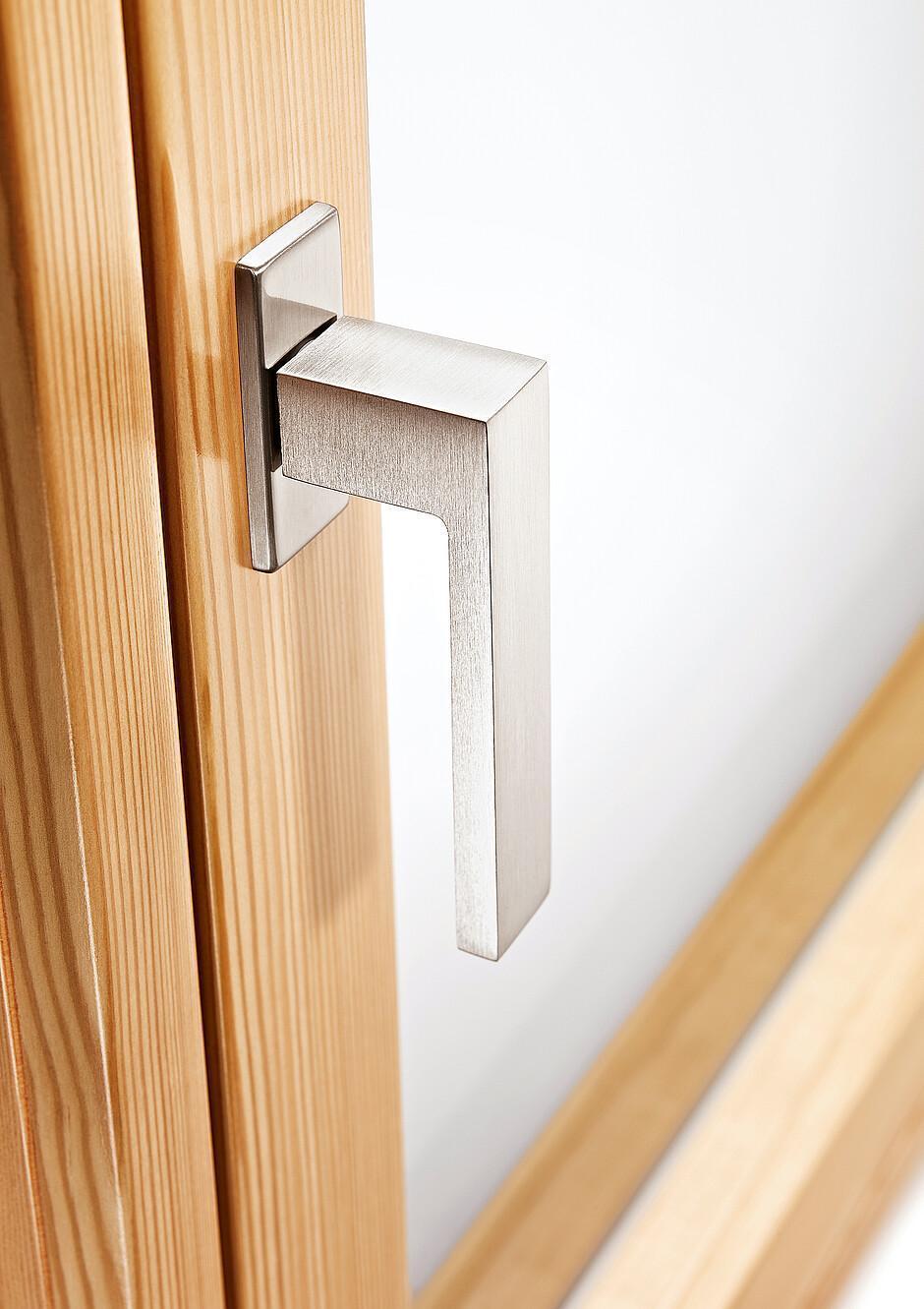
Partly because of these price differences, PVC and PVC-aluminium account for around 60% of the private-customer market by volume. They achieve the same window thermal insulation values as wood-aluminium at a lower cost. Wood-aluminium ranks 2nd among window materials, with around 35% of the market. All-wood windows account for just under 5%; all-aluminium windows have only a very small share of the private-customer market.
When considering all these ways to save on windows, keep this in mind: weigh the additional cost of your preferred option against the decades for which the windows will remain installed.
How can I save intelligently when buying windows
Combine wood-aluminium and PVC-aluminium
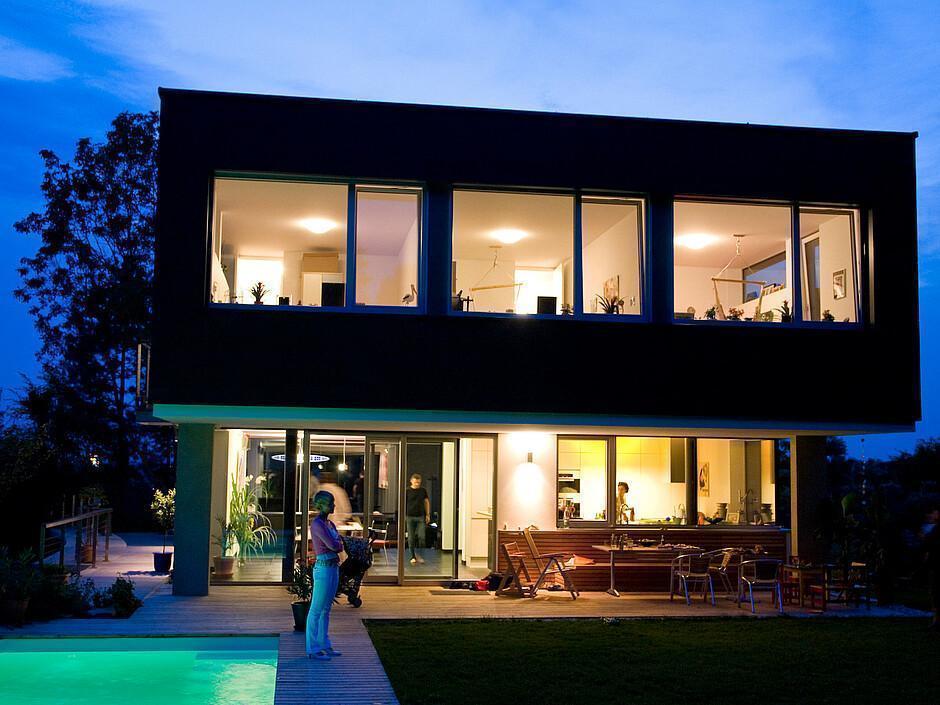
It is also a trend to combine wood-aluminium windows and plastic-aluminium windows for intelligent savings on windows. For example, the ground floor living room / eat-in kitchen / dining room can be equipped with wood-aluminum, while on the upper floor the bedroom, children's room and bathroom can be designed with plastic-aluminum windows. In the external view of the facade, the window appearance is the same. Inside there are suitable windows for individual room furnishings and use and the necessary investment budget for windows is significantly lower thanks to these combinations.
Plan your window specification
Fixed glazing is the least expensive option. Single-part windows cost less than multi-part windows, and balcony doors cost less than lift-and-slide doors. Glazing bars increase costs, reduce daylight and, when fitted with spacers to create a divided-pane appearance, reduce the glass’s thermal insulation. Leaving out unnecessary features can reduce costs.
Plan oversized windows sensibly
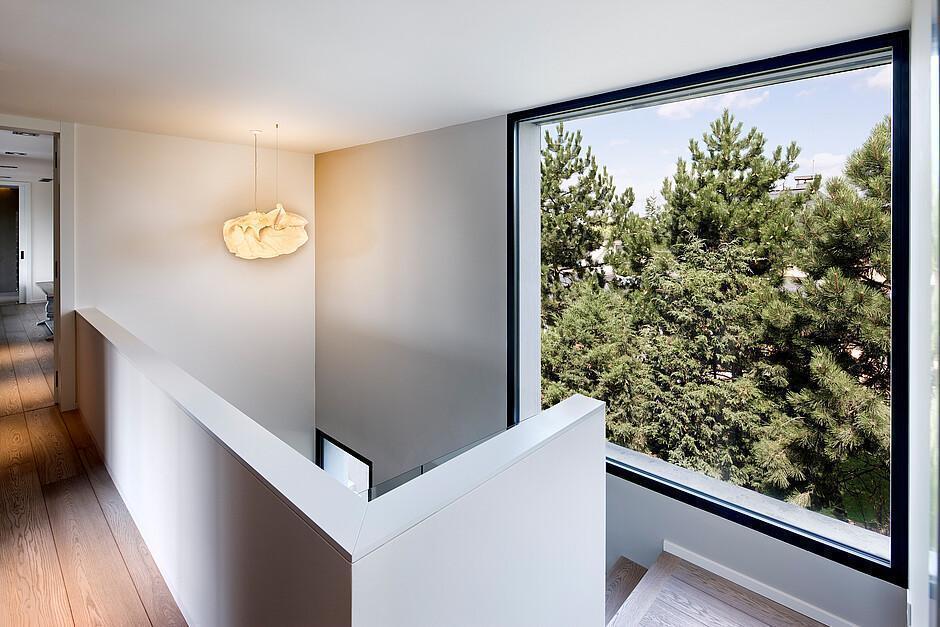
Large elements are essential for beautiful, light-filled rooms. However, excessively large dimensions also bring extra costs. We recommend designing a house with large elements that bring living space and nature together, while still taking a sensible approach to size: elements 2.6–2.7 m high are already large and heavy and do not necessarily need to be taller. Planning slightly smaller can sometimes bring worthwhile savings. This also reduces the element’s weight and extends the life of the hardware. Oversized elements also require larger sun shading, which must be used consistently during the hot months to prevent sunlight overheating the rooms.
Choose design styles consciously
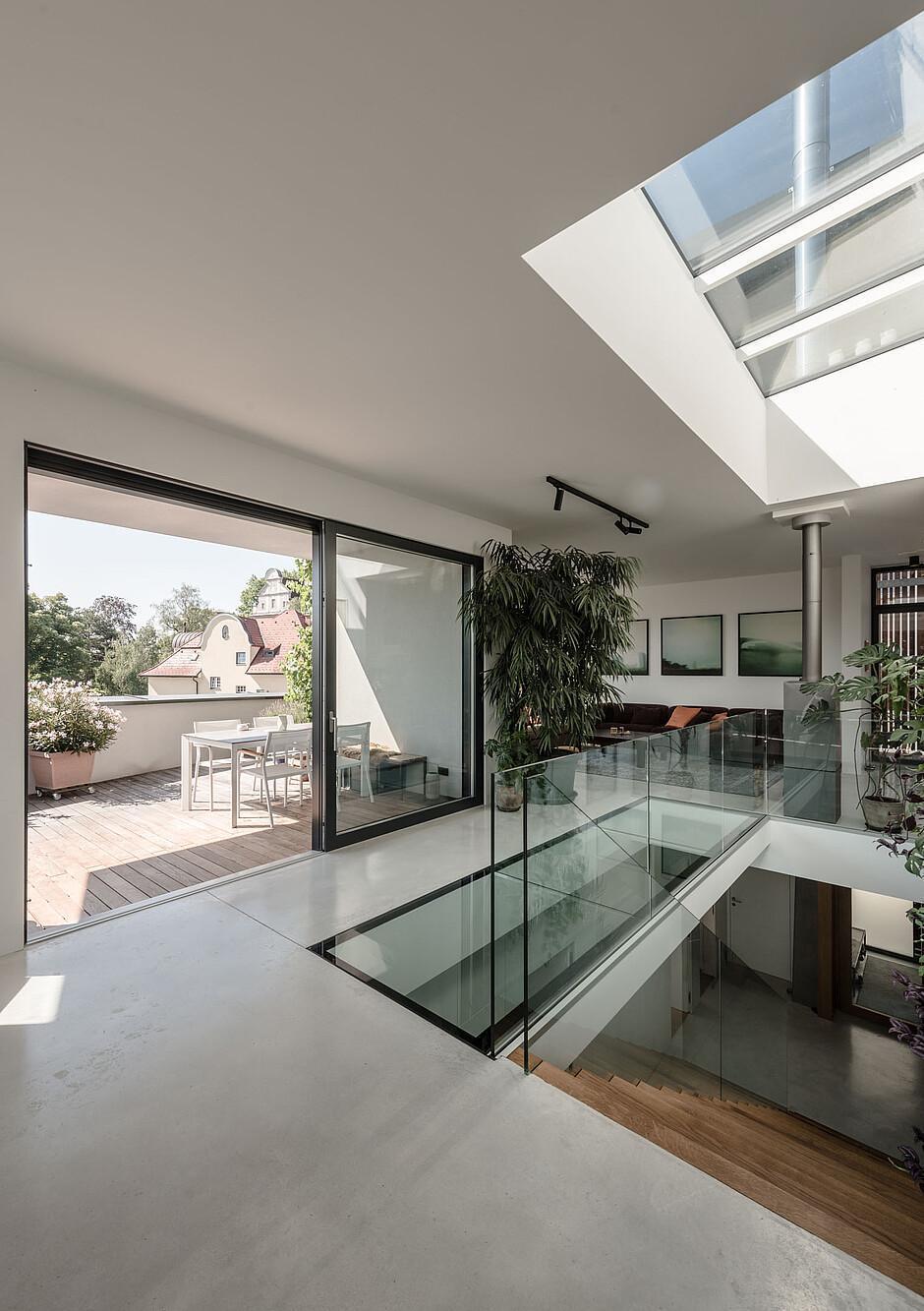
The classic offset frame and sash design is the least expensive option. A flush exterior, or a design flush on both sides, is more complex to manufacture and therefore costs slightly more. Colours also fall into different price categories. Similar standard colours may offer an attractive alternative to your preferred colour.
Compare features
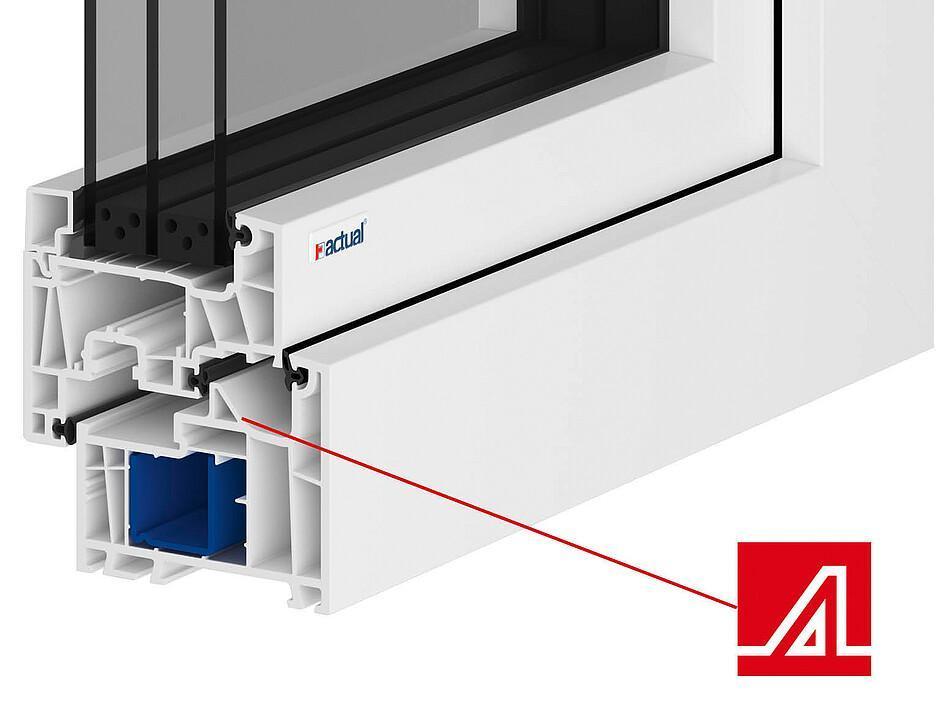
Where prices differ, check whether the equipment and technical construction are comparable. For example, which sealing system is used in PVC windows? A centre-seal system with a solid bar and insulating chamber for greater durability, less frequent maintenance and lasting airtightness, or a rebate-seal or rubber-lip seal system? Are the glass and frame bonded for greater stability and thermal insulation? Does the window system have slim frame sightlines for more daylight, or wide, bulky frames which, for example, with centre mullions around 30% wider in 2-part replacement windows, leave rooms darker for decades? Are the glass and warm-edge glazing spacers comparable in both quotations?
Which windows are inexpensive in the long term? Which windows are sustainably produced?
With such a long service life, it is important to check the supplier’s reliability and the availability of spare parts. Greater care and maintenance requirements can mean higher costs later, even if the initial price was lower. Will someone still be there for the customer decades from now? This is a strong argument for Austrian quality providers whose success depends on customer service and recommendations.
Sustainability is also an important topic today: every consumer has the power to pay attention to climate protection when making purchasing decisions. ACTUAL is a window specialist with 50 years of experience in plastic windows and 100 years of experience in wood processing. The windows are produced in Austria. There is a strong focus on sustainability in production: a large photovoltaic installation covers part of the energy required for window production.
FAQ about saving money when buying windows
How do I save money when buying windows?
Consider cost differences in relation to service life, too. If you particularly value slim visible frames for more light, a flush design, a certain colour or wood species, or a lift-and-slide door instead of a balcony door, calculate the price difference in euros per year of planned use. Customer feedback often shows that choosing the preferred version, even if it costs a little more initially, provides much greater value through satisfaction and daily enjoyment over many years. That is what we call good value in the long term.
In addition to the basic price differences between wood-aluminum and plastic-aluminum, there are other parameters that influence the price. A clever calculation and a good comparison help to stick to the calculated budget.
How much do plastic-aluminum windows cost? How much do wooden windows cost? How much do wood-aluminum windows cost?
Natürlich spielt auch beim Hausbau-Budget das Preis-Leistungsverhältnis von Fenster und Türen eine Rolle. Viele interessieren sich dafür, wie die Preis-Unterschiede zwischen Holz-Alu und Kunststoff-Alu sind. Es gibt in der Detailkalkulation Unterschiede - je nachdem welche Ausstattung/ Gläser und Größen/Sonderform-Ausführungen/welche Art der Elemente – bei Fenster Balkontüren, Hebeschiebetüren bestellt werden. Zudem gibt es innerhalb der Materialien Kunststoff / Holz-Alu und Holz bei den Fenstern auch unterschiedliche Preisklassen je nach Produktlinien und Qualitäts-Ausstattung.
The information below is therefore only a guideline for the magnitude of the price differences for windows between white plastic, plastic-aluminum, wood-aluminum and wood. This may vary for individual orders.
- PVC-aluminium - approx. 20% = white PVC
- Wood-aluminium - approx. 40% = white PVC
- Wood-aluminium - approx. 25% = PVC-aluminium
- Wood-aluminum - approx. 8% = wood
What advantages do plastic windows offer vs. plastic-aluminum windows? What advantages do wood vs. wood-aluminum windows offer?
The wood-window market shows a clear trend: over 95% of customers choosing wood opt for wood-aluminium. Unlike all-wood windows, wood-aluminium offers exterior weather protection. All-wood windows need regular exterior maintenance, an effort most customers want to avoid over a high-quality window’s lifespan of more than 40 years. This practical advantage has clearly allowed wood-aluminium to supersede all-wood windows.
Zwischen Kunststoff-Alu Fenster und Kunststoff Fenstern in weiß besteht dieser Unterschied hinsichtlich Witterungsschutz nicht. Dennoch steigerte sich der Anteil an Kunststoff-Alu Fenstern im Vergleich zu Kunststoff Fenstern bei Premium Anbietern wie ACTUAL auf über 50%. Der Grund dafür ist, dass viele Kunden die Farbvielfalt und die edle Optik der Aluschale außen schätzen. Es sind alle RAL Töne und viele Sonder-Struktur Farbtöne möglich. Die Fensterfarbe wird außen als Gestaltungsmerkmal eingesetzt, innen wollen die Kunden weiß passend zur Wand, somit ist Kunststoff-Alu die erste Wahl. Der Werkstoff Kunststoff ist außen auch ohne Aluschale seit rund 50 Jahren bewährt. Es wird nicht wie beim Holz-Alu Fenster die Aluschale als Schutz vor der Witterung benötigt. Es geht beim Kunststoff-Alu mehr um die Farbgebung, das moderne Design und die edlere Farbkombination.
How do I plan my window design to save money?
Fixed glazing is the least expensive option. Single-part windows cost less than multi-part windows, and balcony doors cost less than lift-and-slide doors. Glazing bars increase costs, reduce daylight and, when fitted with spacers to create a divided-pane appearance, reduce the glass’s thermal insulation. Leaving out unnecessary features can reduce costs.
How do I plan oversized windows?
Large elements are essential for beautiful, light-filled rooms. However, excessively large dimensions also bring extra costs. We recommend designing a house with large elements that bring living space and nature together, while still taking a sensible approach to size: elements 2.6–2.7 m high are already large and heavy and do not necessarily need to be taller. Planning slightly smaller can sometimes bring worthwhile savings. This also reduces the element’s weight and extends the life of the hardware. Oversized elements also require larger sun shading, which must be used consistently during the hot months to prevent sunlight overheating the rooms.
Which windows are inexpensive in the long term? Which windows are sustainably produced?
With such a long service life, it is important to check the supplier’s reliability and the availability of spare parts. Greater care and maintenance requirements can mean higher costs later, even if the initial price was lower. Will someone still be there for the customer decades from now? This is a strong argument for Austrian quality providers whose success depends on customer service and recommendations.
Sustainability is also an important topic today: every consumer has the power to pay attention to climate protection when making purchasing decisions. ACTUAL is a window specialist with 50 years of experience in plastic windows and 100 years of experience in wood processing. The windows are produced in Austria. There is a strong focus on sustainability in production: a large photovoltaic installation covers part of the energy required for window production.
Request a special offer now
We would be happy to help you choose your windows. Find your nearest specialist advisor or contact us directly.


