


Window materials in comparison
The window guide: comparing materials from wood-aluminium to PVC
We summarize the key differences and information in a guide for windows and doors.
Basically, the performance values such as thermal insulation and sound insulation & tightness are relatively similar in modern windows - regardless of whether they are wood-aluminum, plastic-aluminum or wood-aluminum and wood. This means that there are better and worse window designs in every material. However, plastic is not inherently better than wood-aluminum or vice versa. Aluminum as a window material is, on average, slightly worse in terms of thermal insulation.

What are the differences in the performance values of the windows?
How do thermal insulation values compare between PVC-aluminium and wood-aluminium?
The best thermal insulation values are below Uw 0,75 W/m²K for both PVC-aluminium and wood-aluminium. Every design option is used: composite timber frames with extra insulation, thermal inserts in PVC profiles, bonded glazing, the best possible glass spacers and high-performance triple glazing. For example, the best value for ACTUAL ALEVO Hybrid in PVC-aluminium is Uw 0,68 W/m² K, and for ACTUAL ALWOOD in wood-aluminium it is 0,69 W/m²K. The windows therefore provide similar thermal insulation regardless of material.
With modern windows such as ACTUAL CUBIC in wood-aluminum or MATRIX in plastic-aluminium, which achieve very good thermal insulation values, the thermal insulation value is approximately Uw 0,71-0,77 W/m²K. Here too, there are no major differences between wood-aluminum and plastic.
The same applies to sound insulation and tightness of windows. What is important is the quality of the construction and not the material. A very good wood-aluminum window and a very good plastic-aluminum window are much more similar than good and bad windows made of the same material.

How do plastic-aluminum windows and wood-aluminum windows differ in terms of stability?
For standard window sizes, all materials are equally suitable. For oversized elements over around 2,7 m to 3 m high, wood or wood-aluminium is the suitable material. Plastic-aluminum / plastic are possible up to heights of 2,7 m. Such maximum heights depend on the width and are therefore possible up to certain widths. Furthermore, special heavy-duty fittings are required for large, heavy elements in order to guarantee a long service life.
What are the differences in style and appearance between plastic-aluminum and wood-aluminum windows?
For most customers, this is the clearest difference between wood-aluminum and plastic-aluminum.
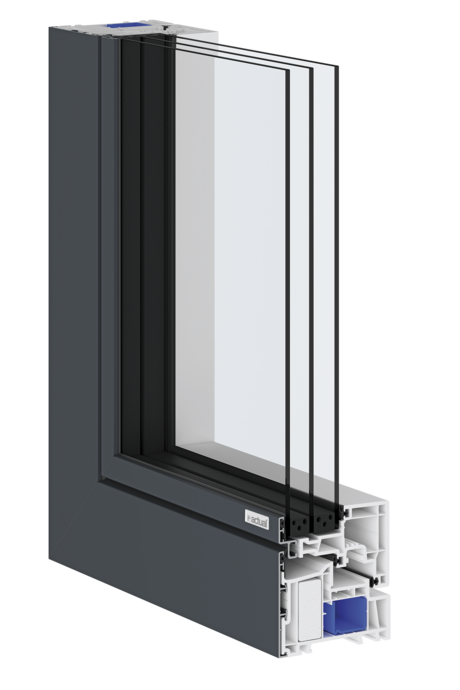
ACTUAL’s wood-aluminium and PVC-aluminium product lines have matching exterior designs, allowing the window types to be combined. The ACTUAL window product lines in wood-aluminium and PVC-aluminium look identical from outside and can therefore be used together.
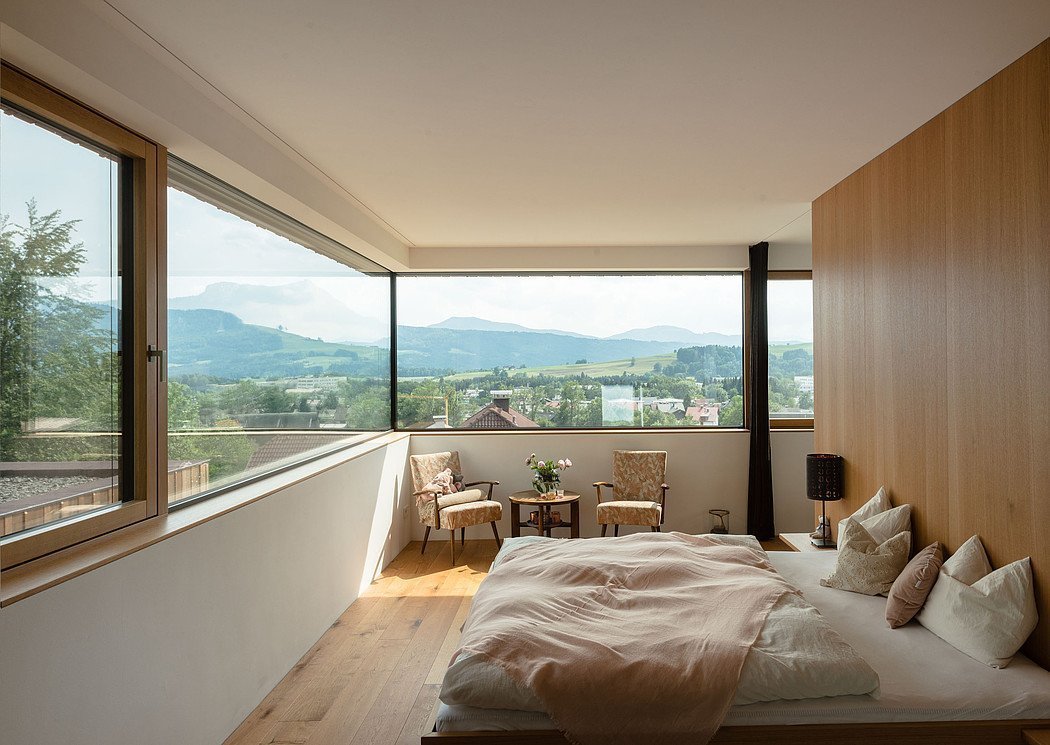
When viewed from the inside, the plastic window is white. For the inside, it is possible to use the natural material wood in spruce, larch and oak with natural glaze, but various other wood glaze colors are also possible. ACTUAL also offers special surfaces in wood, such as oiled and brushed, for a particularly natural look and unique feel. Brushed surfaces primarily feel different, even if they do not look significantly different from normal surfaces when viewed from a distance.
Overall, wood offers more options than plastic for adapting the inside of the window to the interior and floor.
PVC vs. PVC-aluminium &
wood vs. wood-aluminium?
What advantages do plastic windows offer vs. plastic-aluminum windows? What advantages do wood vs. wood-aluminum windows offer?
The wood-window market shows a clear trend: over 95% of customers choosing wood opt for wood-aluminium. Unlike all-wood windows, wood-aluminium offers exterior weather protection. All-wood windows need regular exterior maintenance, an effort most customers want to avoid over a high-quality window’s lifespan of more than 40 years. This practical advantage has clearly allowed wood-aluminium to supersede all-wood windows.
Zwischen Kunststoff-Alu Fenster und Kunststoff Fenstern in weiß besteht dieser Unterschied hinsichtlich Witterungsschutz nicht. Dennoch steigerte sich der Anteil an Kunststoff-Alu Fenstern im Vergleich zu Kunststoff Fenstern bei Premium Anbietern wie ACTUAL auf über 50%. Der Grund dafür ist, dass viele Kunden die Farbvielfalt und die edle Optik der Aluschale außen schätzen. Es sind alle RAL Töne und viele Sonder-Struktur Farbtöne möglich. Die Fensterfarbe wird außen als Gestaltungsmerkmal eingesetzt, innen wollen die Kunden weiß passend zur Wand, somit ist Kunststoff-Alu die erste Wahl. Der Werkstoff Kunststoff ist außen auch ohne Aluschale seit rund 50 Jahren bewährt. Es wird nicht wie beim Holz-Alu Fenster die Aluschale als Schutz vor der Witterung benötigt. Es geht beim Kunststoff-Alu mehr um die Farbgebung, das moderne Design und die edlere Farbkombination.
Window Materials FAQ
How do thermal insulation values compare between plastic-aluminum and wood-aluminum?
Spitzenwerte bei Wärmedämmung liegen bei unter Uw 0,75 W/m²K bei Kunststoff-Alu und Holz-Alu. Hier werden alle konstruktiven Möglichkeiten genutzt - wie Verbundholzrahmen mit zusätzlicher Wärmedämmung, Thermodämm-Einschübe beim Kunststoff-Profil, Glasverklebung, bestmögliche Glasabstandhalter und beste 3-fach Gläser. So beträgt zum Beispiel der Spitzenwert bei ACTUAL ALEVO Hybrid in Kunststoff-Alu Uw 0,68 W/m² K und bei ACTUAL ALWOOD in Holz-Alu 0,69 W/m²K, die Fenster sind also unabhängig vom Material ähnlich in der Wärmedämmung.
Bei modernen Fenstern wie ACTUAL CUBIC in Holz-Alu oder MATRIX in Kunststoff- Alu, die sehr gute Wärmedämmwerte erzielen, liegt der Wärmedämmwert ca. bei Uw 0,71-0,77 W/m²K. Auch hier bestehen zwischen Holz-Alu und Kunststoff keine großen Unterschiede.
The same applies to sound insulation and tightness of windows. What is important is the quality of the construction and not the material. A very good wood-aluminum window and a very good plastic-aluminum window are much more similar than good and bad windows made of the same material.
How do plastic-aluminum windows and wood-aluminum windows differ in terms of stability?
For standard window sizes, all materials are equally suitable. For oversized elements over around 2,7 m to 3 m high, wood or wood-aluminium is the suitable material. Plastic-aluminum / plastic are possible up to heights of 2,7 m. Such maximum heights depend on the width and are therefore possible up to certain widths. Furthermore, special heavy-duty fittings are required for large, heavy elements in order to guarantee a long service life.
What advantages do plastic windows offer vs. plastic-aluminum windows? What advantages do wood vs. wood-aluminum windows offer?
The wood-window market shows a clear trend: over 95% of customers choosing wood opt for wood-aluminium. Unlike all-wood windows, wood-aluminium offers exterior weather protection. All-wood windows need regular exterior maintenance, an effort most customers want to avoid over a high-quality window’s lifespan of more than 40 years. This practical advantage has clearly allowed wood-aluminium to supersede all-wood windows.
Zwischen Kunststoff-Alu Fenster und Kunststoff Fenstern in weiß besteht dieser Unterschied hinsichtlich Witterungsschutz nicht. Dennoch steigerte sich der Anteil an Kunststoff-Alu Fenstern im Vergleich zu Kunststoff Fenstern bei Premium Anbietern wie ACTUAL auf über 50%. Der Grund dafür ist, dass viele Kunden die Farbvielfalt und die edle Optik der Aluschale außen schätzen. Es sind alle RAL Töne und viele Sonder-Struktur Farbtöne möglich. Die Fensterfarbe wird außen als Gestaltungsmerkmal eingesetzt, innen wollen die Kunden weiß passend zur Wand, somit ist Kunststoff-Alu die erste Wahl. Der Werkstoff Kunststoff ist außen auch ohne Aluschale seit rund 50 Jahren bewährt. Es wird nicht wie beim Holz-Alu Fenster die Aluschale als Schutz vor der Witterung benötigt. Es geht beim Kunststoff-Alu mehr um die Farbgebung, das moderne Design und die edlere Farbkombination.
Request a special offer now
We would be happy to help you choose your windows. Find your nearest specialist advisor or contact us directly.


